
Watercolor Tip: Let the Water Do the Work
Watercolor is one of the most unique painting mediums because water is an active part of the process. Instead of forcing paint across the page like you might with acrylic or oil, watercolor invites you to guide the water and allow the pigment to move naturally.
For beginners especially, one of the most helpful tips is simple: don’t overwork the paint.
The beauty of watercolor often comes from soft blends, flowing transitions, and organic textures that happen when water and pigment interact on the paper.
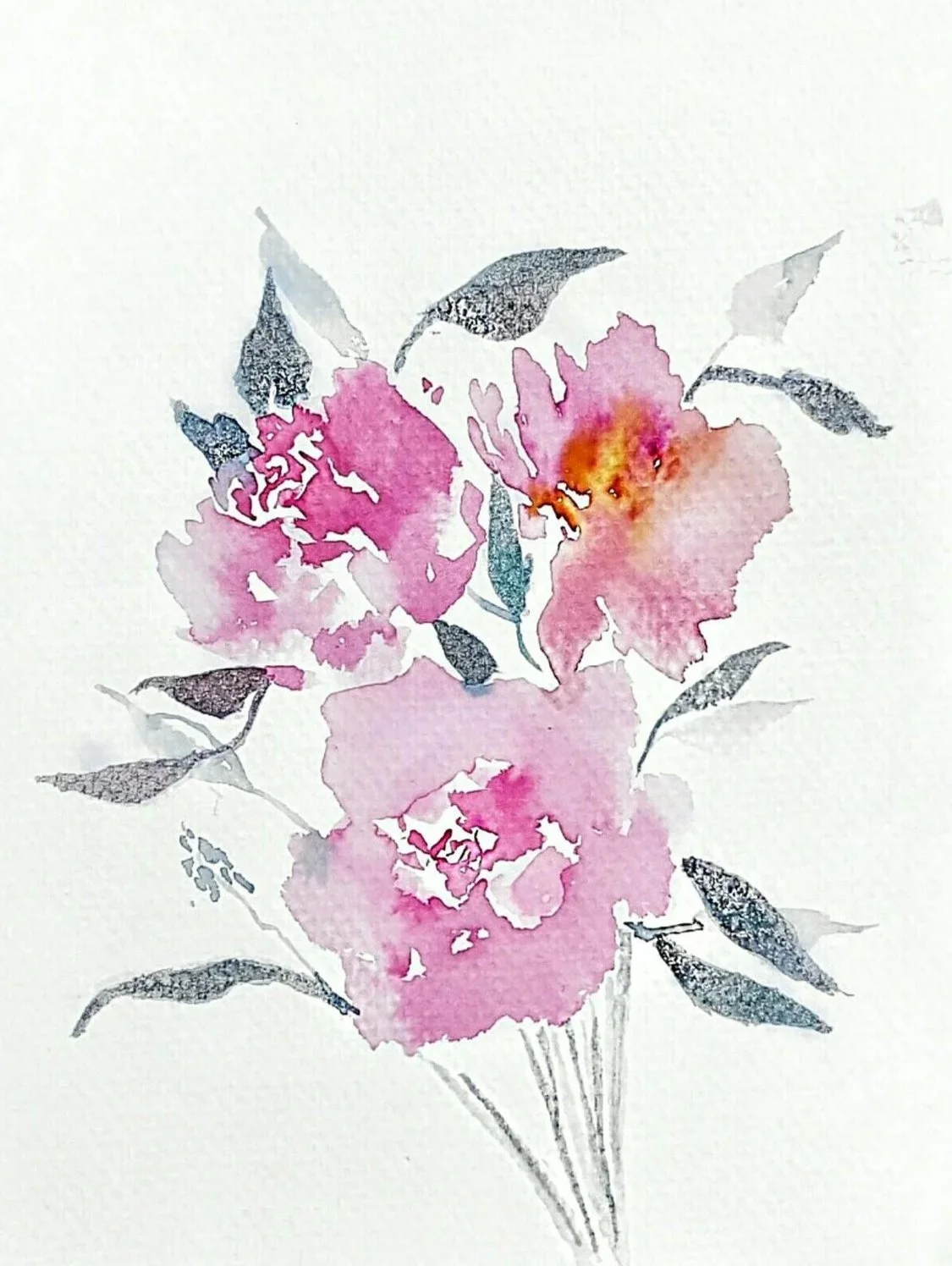
A common mistake beginners make is continuing to brush the paint as the paper begins to dry.
When this happens, the pigment can become uneven, muddy, or develop rough edges.
Start with a Lightly Wet Surface
One of the easiest ways to create smooth blends is by wetting the paper before applying color. This technique is often called wet-on-wet.
To try it:
Lightly brush clean water across the area of paper you plan to paint.
Load your brush with watercolor pigment.
Gently touch the brush to the wet surface and watch the color spread.
Instead of hard brush strokes, the paint will flow and diffuse naturally, creating soft edges and beautiful gradients.
Step Back and Let the Water Move the Pigment
A common mistake beginners make is continuing to brush the paint as the paper begins to dry.
When this happens, the pigment can become uneven, muddy, or develop rough edges.
Instead, try this approach:
Apply the color
Pause
Watch how the water moves the pigment
Often, the most beautiful effects appear after you stop touching the brush to the paper.
Watercolor rewards patience and observation.
Embrace Organic Textures
Because water behaves differently every time, watercolor paintings often develop unexpected textures and color patterns.
These natural variations are part of what makes watercolor so expressive. Rather than trying to control every detail, allow the paint to move and settle on its own.
Over time, you’ll learn how to guide the process while still letting the water do much of the work.
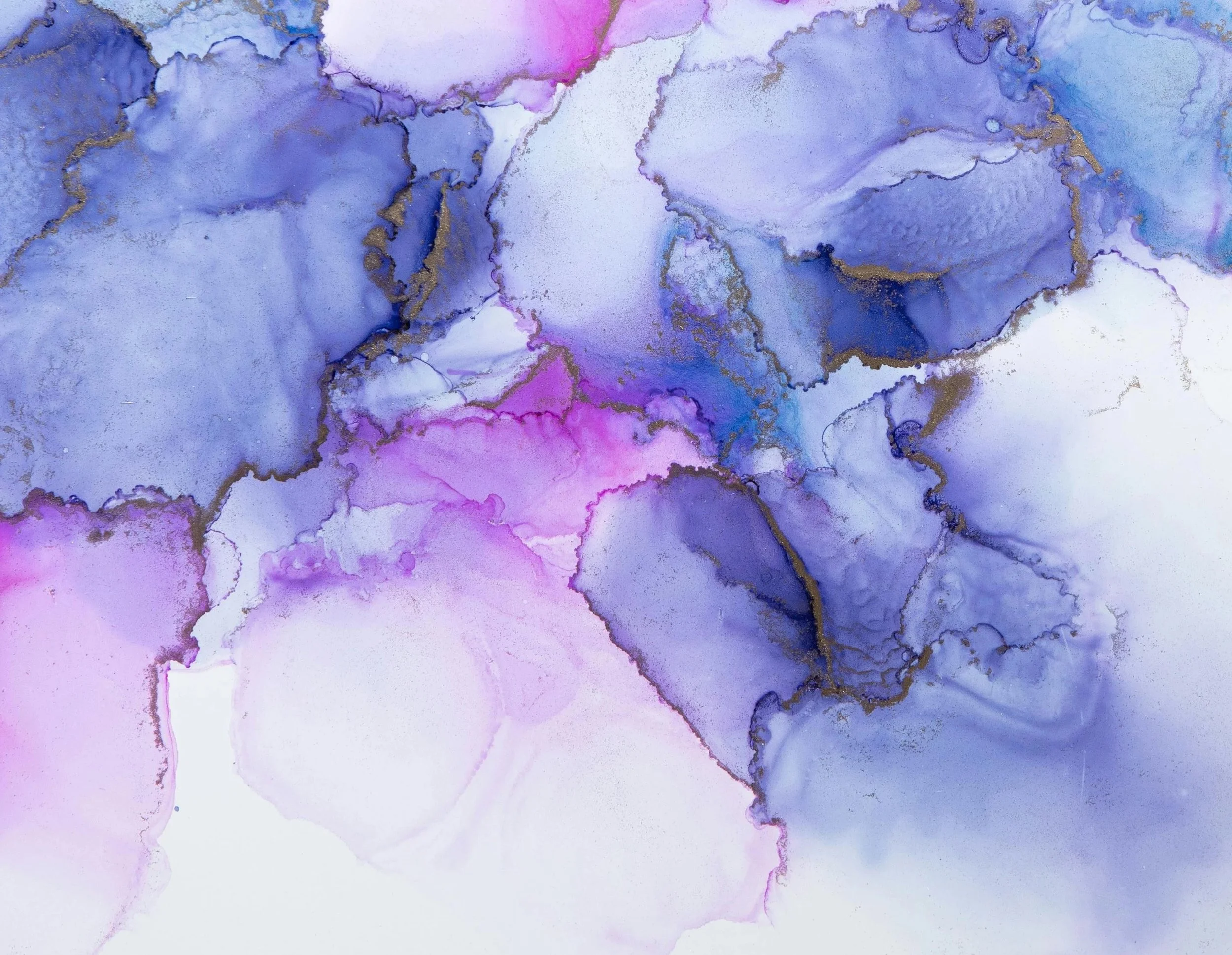
Natural variations are part of what makes watercolor so expressive.
Rather than trying to control every detail, allow the paint to move and settle on its own.
Materials Make a Difference
While technique matters, good materials can greatly improve your results.
Quality watercolor paper absorbs water properly and prevents excessive warping. Good brushes hold water evenly and release pigment smoothly. High-quality paints also produce richer color and better blending.
If you’re just getting started, investing in a few reliable supplies can make watercolor much more enjoyable to learn.
Ready to Try Watercolor?
If you're curious about watercolor or want to improve your technique, starting with the right materials makes all the difference.
At Art & Music in Redmond, we carry watercolor paper, brushes, pigments, and other supplies to help artists of all skill levels explore this beautiful medium.
Stop by the shop and we’ll help you find the tools you need to start painting.
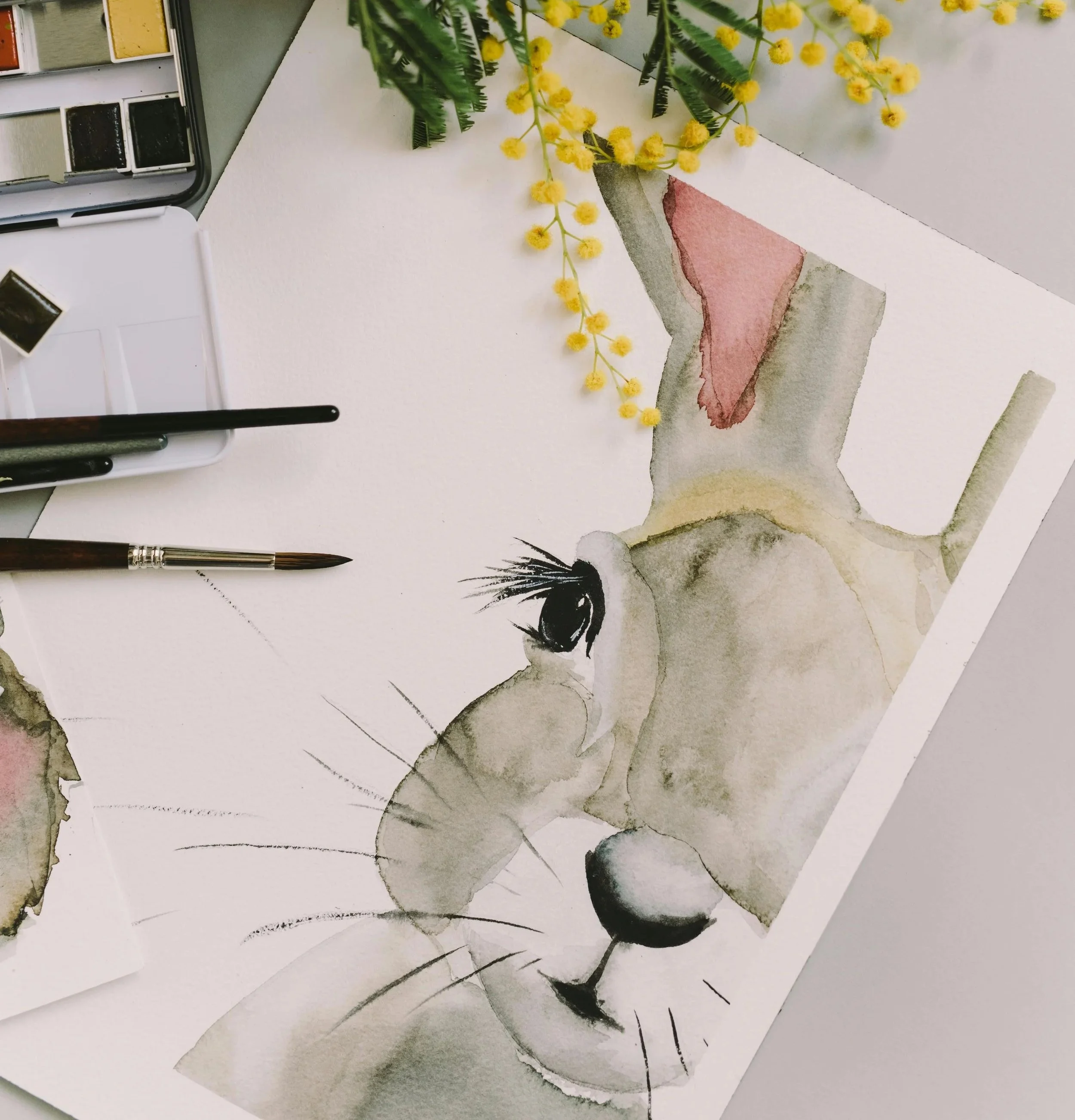
Good brushes hold water evenly and release pigment smoothly.
High-quality paints also produce richer color and better blending.
