
How to Use Dorland’s Wax to Preserve Watercolor Art
Watercolor paintings are known for their delicate beauty, soft blends, and luminous color. But once a painting is finished, many artists wonder how to help protect the surface without placing it behind glass.
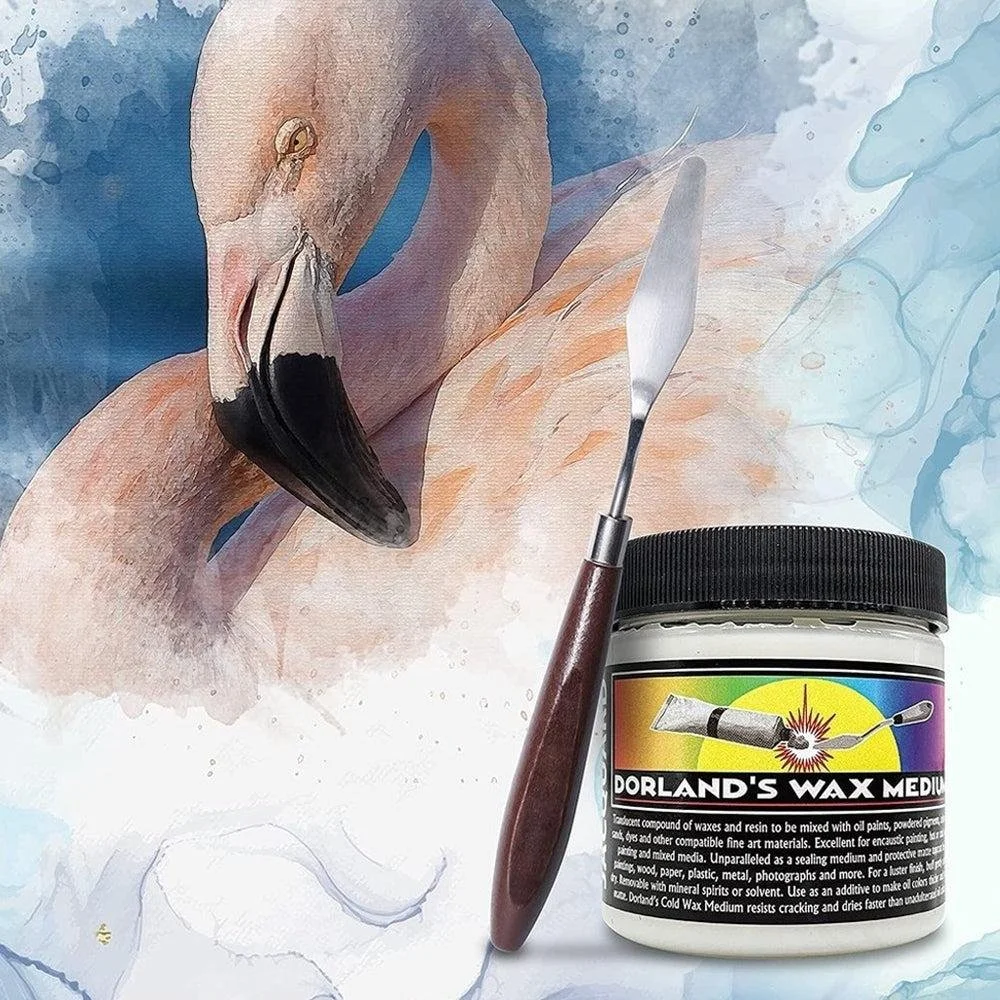
One popular option among watercolor artists is Dorland’s Wax Medium — a soft wax that can add a gentle protective layer while slightly enriching the color and surface of the artwork.
When used correctly, Dorland’s Wax can give watercolor paintings a soft satin finish and help protect the surface from dust, fingerprints, and minor moisture exposure.
What Is Dorland’s Wax?
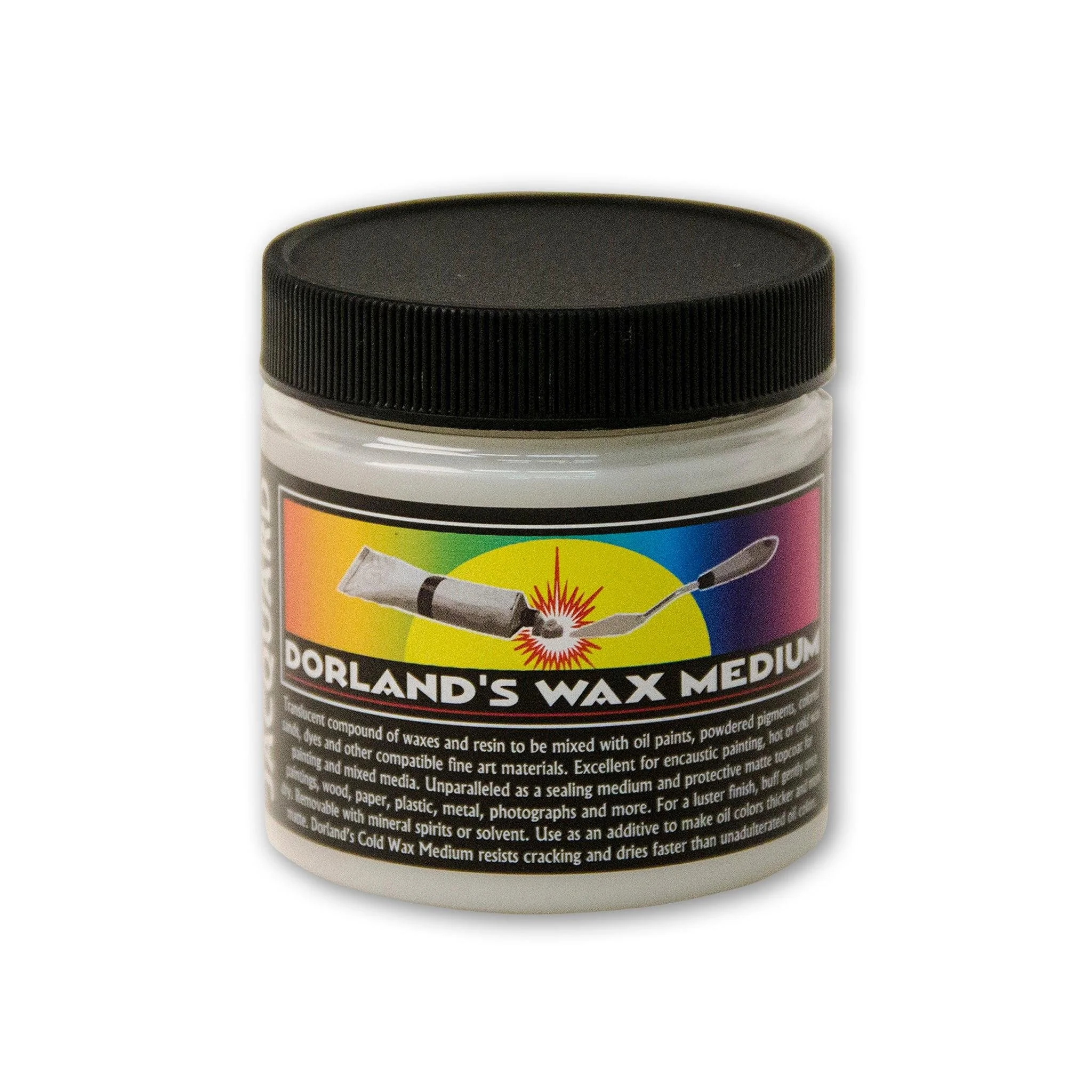
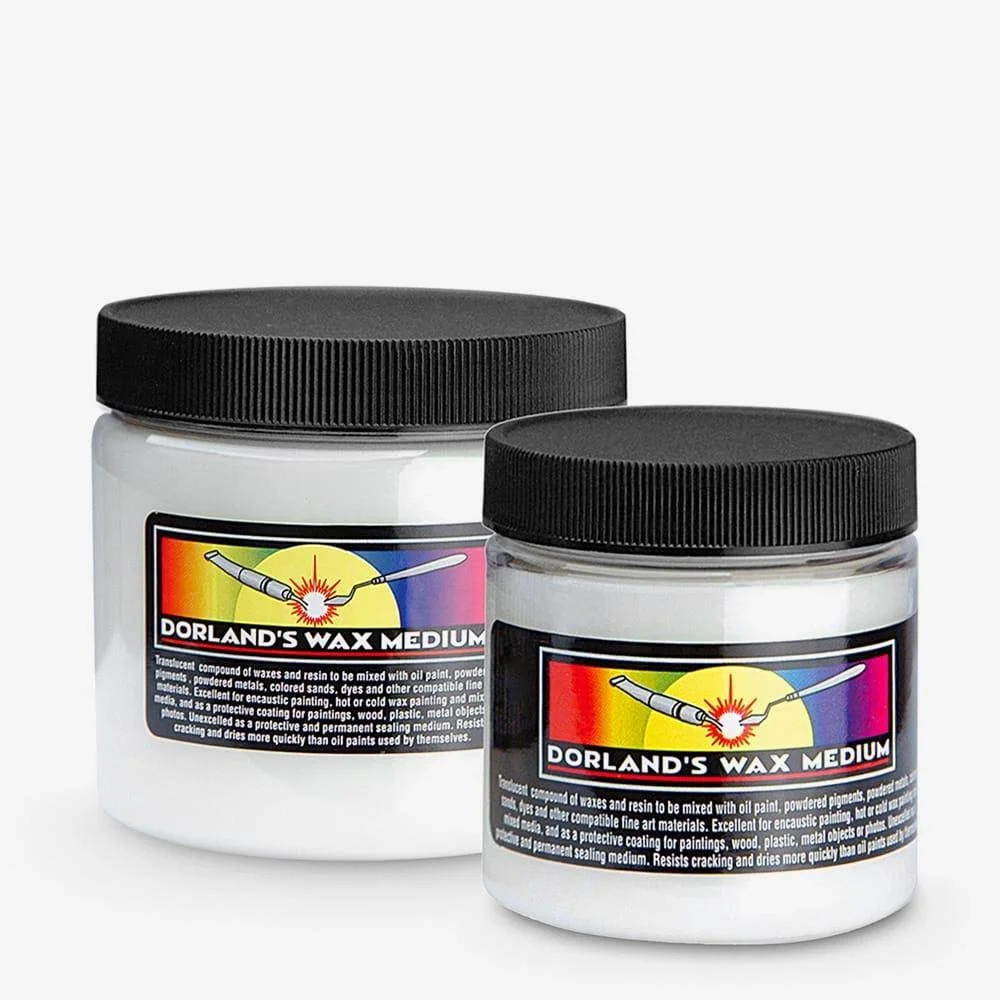
Dorland's Wax Medium is a cold wax medium often used by watercolor and mixed media artists as a finishing layer.
Unlike varnish sprays, Dorland’s Wax is applied by hand using a soft cloth or fingers. It dries to a subtle finish rather than a thick glossy coating, helping preserve the natural feel of watercolor paper.
Artists often use it because it can:
Deepen and enrich watercolor colors slightly
Add a soft satin sheen
Help protect the paper surface
Reduce the need for glass framing in some situations
Before You Begin
Before applying wax, make sure:
Your watercolor painting is completely dry
The paper is clean and free of dust
You test the wax on a practice piece first
Wax can slightly darken or intensify colors, especially in darker painted areas, so testing first is always a good idea.
How to Apply Dorland’s Wax
1. Use a Small Amount
A little goes a long way.
Using a soft lint-free cloth, microfiber cloth, or clean fingers, pick up a very small amount of wax.
2. Apply Thin, Even Layers
Gently rub the wax across the watercolor surface using circular motions.
The goal is a very thin coat. Thick applications can become cloudy or uneven.
Work slowly and evenly across the painting.
3. Let the Wax Dry
Allow the artwork to sit and dry for approximately:
20–30 minutes for a light haze
Longer if applied more heavily
The surface will begin to develop a soft matte or satin appearance.
4. Buff the Surface
Using a clean soft cloth, gently buff the painting.
This helps smooth the wax and creates a subtle finished sheen without making the artwork overly glossy.
What Does the Finished Artwork Look Like?
After buffing, watercolor paintings often appear:
Slightly richer in color
More saturated
Softer in surface texture
Protected with a velvety finish
The effect is usually subtle and elegant rather than dramatic.
Many artists enjoy how the wax enhances the natural organic quality of watercolor.
A Few Important Notes
While Dorland’s Wax adds protection, watercolor artwork should still be handled carefully.
It’s best to:
Avoid direct sunlight
Keep artwork away from excessive heat
Handle finished pieces gently
Store flat when possible
Some artists frame waxed watercolor paintings without glass, while others still prefer traditional framing for maximum protection.
Interested in Watercolor Supplies?
Whether you're experimenting with watercolor for the first time or exploring finishing techniques like cold wax, having quality materials makes the process much more enjoyable.
At Art & Music in Redmond, we carry watercolor paints, brushes, paper, and art supplies to help artists continue learning and creating.
Stop by the shop and we’d be happy to help you explore new techniques and materials for your next project.
